

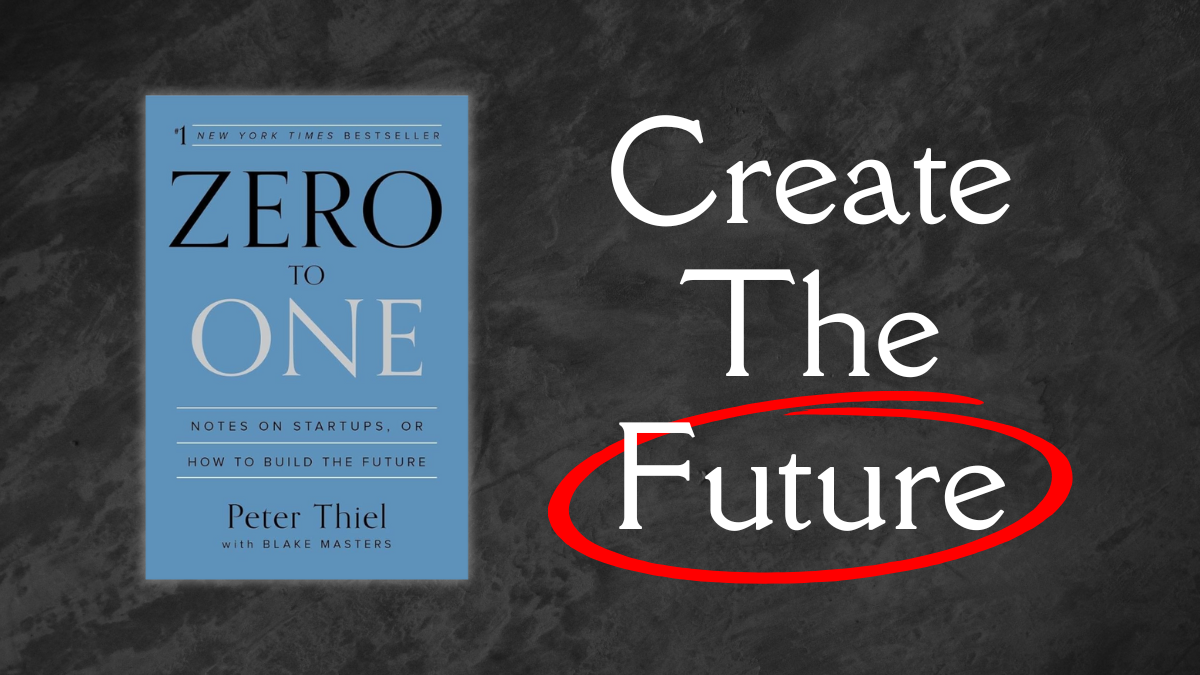
Zero to One: Creating the Future Instead of Copying the Past
Learn how Zero to One explains innovation, technology, and long-term thinking for startups and founders.
Latest posts



Do You Enjoyed This Article?
Join our community and get updated every week. We have a lot more just for you! Let’s join us now.
Most books about startups focus on growth, competition, and execution. Zero to One takes a very different approach. Peter Thiel argues that real progress does not come from doing more of what already exists. It comes from creating something entirely new. Going from zero to one means building something that did not exist before. Going from one to many means copying what already works.
This distinction sits at the heart of the book. Thiel challenges readers to rethink innovation, competition, and the way we define success. Rather than encouraging people to compete in crowded markets, he urges them to create new ones.
“Doing what we already know how to do takes the world from 1 to n. But when you create something new, you go from 0 to 1.”
Peter Thiel
The Difference Between Progress and Growth
Thiel makes a clear distinction between horizontal progress and vertical progress. Horizontal progress happens when existing ideas are copied and scaled. Vertical progress happens when something truly new is created.
“Horizontal progress is copying things that work. Vertical progress is doing new things.”
Peter Thiel
Many companies focus on growth without innovation. They improve products slightly, expand markets, or reduce costs. While this can be profitable, Thiel argues it rarely changes the world. Real breakthroughs come from original ideas that create new categories.
This idea pushes readers to ask a difficult question. Are you improving what already exists, or are you building something fundamentally new?
Competition Is for Losers
One of the most controversial ideas in Zero to One is Thiel’s view on competition. While competition is often praised, Thiel believes it pushes companies to focus on rivals instead of customers.
“Competition is for losers.”
Peter Thiel
According to Thiel, the most successful companies aim for monopoly, not in a harmful sense, but by creating something so unique that no direct competitors exist. These companies solve a problem in a way no one else can.
He points to businesses that dominate their space because they offer a product that cannot be easily replaced. These companies focus on long-term value instead of short-term battles.
Monopolies and Long-Term Thinking
Thiel argues that monopoly businesses are often misunderstood. He believes that companies with strong market positions are better positioned to innovate because they are not constantly fighting for survival.
“Monopoly is the condition of every successful business.”
Peter Thiel
When a company has a unique advantage, it can invest in long-term research, talent, and improvement. Competitive markets, on the other hand, often force companies to focus on short-term gains.
This perspective challenges common business advice and encourages founders to think about differentiation rather than rivalry.
The Power of Secrets
Another central theme in Zero to One is the idea of secrets. Thiel believes that great companies are built around truths that few people believe or understand.
“Every great business is built around a secret that’s hidden from the outside.”
Peter Thiel
A secret does not have to be mysterious. It can be a simple insight that others overlook. Thiel encourages readers to ask themselves what important truth they believe that few others agree with.
This question forces original thinking. It pushes entrepreneurs to move beyond trends and popular opinions.
Technology and The Future
Thiel has a strong belief in technology as a driver of progress. However, he criticizes the idea that progress happens automatically.
“We wanted flying cars, instead we got 140 characters.”
Peter Thiel
He argues that society has become too focused on incremental improvements and too hesitant to take bold risks. True technological progress requires vision, courage, and patience.
Thiel encourages founders to think about the future deliberately rather than assuming it will take care of itself.
Start Small and Dominate
Instead of chasing large markets immediately, Thiel advises startups to begin with small, focused markets where they can become dominant.
“If you think your startup idea is something that can be replicated easily, it probably is.”
Peter Thiel
By serving a niche exceptionally well, companies can build a strong foundation before expanding. This approach reduces competition and increases the chance of long-term success.
Many successful companies started by solving a narrow problem before growing into something much larger.
Founders, Teams, and Culture
Thiel also emphasizes the importance of people. A great idea is not enough without the right team.
“The best startups might be considered slightly less extreme kinds of cults.”
Peter Thiel
While the language is provocative, the point is clear. Strong companies are built by teams that share a clear vision and work well together. Culture matters as much as strategy.
Thiel believes that alignment, trust, and shared purpose are essential for building something meaningful.
Risk, Failure, and Optimism
Zero to One encourages optimism, but not blind optimism. Thiel believes that founders must believe in a better future and take responsibility for creating it.
“The future is not a random walk.”
Peter Thiel
He argues that progress is intentional. Those who succeed are not simply lucky. They make deliberate choices and commit to long-term goals.
Failure is part of the process, but fear of failure should not prevent bold thinking.
Why Zero to One Still Matters
Even years after its release, Zero to One remains highly relevant. In a world full of startups chasing the same ideas, Thiel’s message feels more important than ever.
The book does not provide step-by-step instructions. Instead, it reshapes how readers think about innovation, competition, and value creation.
It challenges comfortable assumptions and rewards deep thinking.
Final Thoughts
Zero to One is not an easy book, and that is part of its value. It does not offer quick wins or simple formulas. It asks readers to think independently and question widely accepted ideas.
“The most contrarian thing of all is not to oppose the crowd but to think for yourself.”
Peter Thiel
Peter Thiel reminds readers that progress comes from originality, not imitation. Whether you are an entrepreneur, investor, or curious thinker, the book offers a powerful framework for understanding how the future is built.
True success is not about doing more of what already exists. It is about creating something new and meaningful, and having the courage to pursue it from zero to one.
Share to

Mustafiz Man
GoHighLevel & Paid Ads Expert