

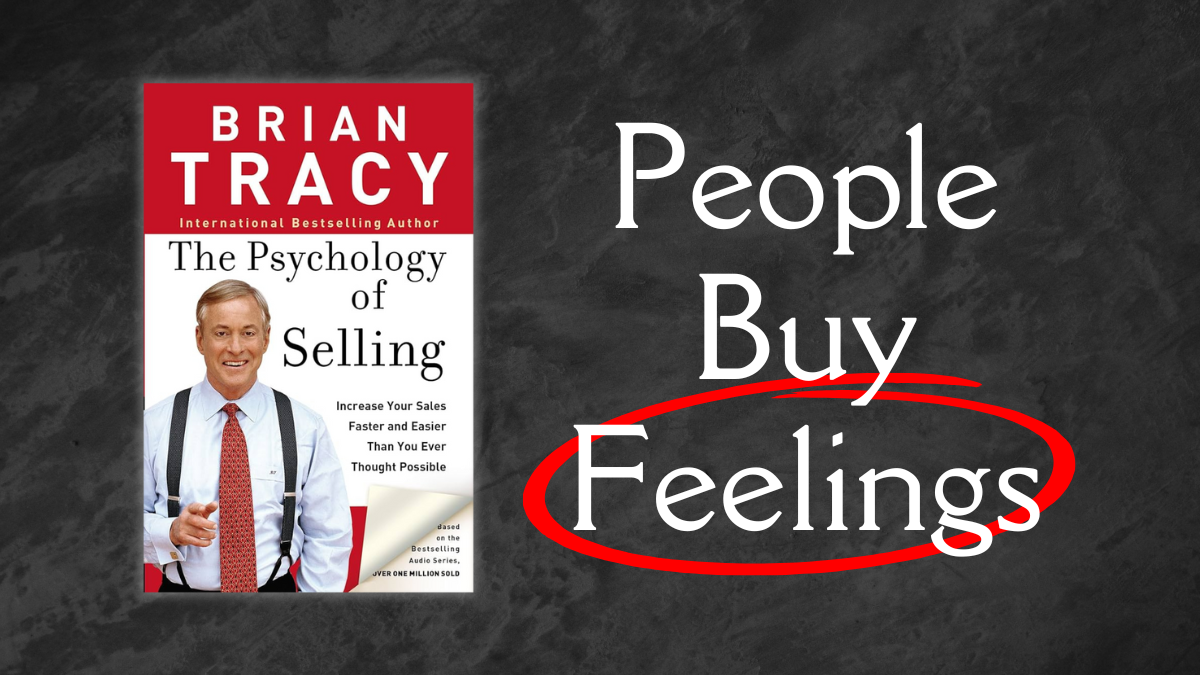
The Psychology of Selling: Master the Mind Behind Sales
A practical breakdown of The Psychology of Selling by Brian Tracy and how beliefs and emotions influence buying decisions.
Latest posts


Do You Enjoyed This Article?
Join our community and get updated every week. We have a lot more just for you! Let’s join us now.
Many people believe selling is about persuasion, pressure, or having a naturally outgoing personality. The Psychology of Selling challenges that assumption. Brian Tracy explains that selling is largely a mental game. Your mindset, beliefs, and emotional control matter more than scripts or techniques.
This book focuses on the inner side of sales. Tracy argues that success in selling begins with how you think about yourself, your product, and your customers. Skills can be learned. Confidence can be built. Attitudes can be changed.
“Selling is a process of transferring feelings.”
Brian Tracy
From the very beginning, Tracy makes it clear that selling is human before it is technical.
Why Psychology Matters in Sales
According to Tracy, people do not buy logically and then justify emotionally. They buy emotionally and justify logically. This means that how a prospect feels during an interaction often determines the outcome.
“People don’t buy products or services. They buy feelings.”
Brian Tracy
Customers want to feel understood, respected, and confident in their decision. When a salesperson focuses only on features and prices, they miss the deeper motivation behind buying decisions.
This is why mindset matters. If you are tense, insecure, or desperate, those emotions are communicated whether you intend to or not. Confidence, calmness, and belief also transfer just as easily.
The Importance of Self-Concept
One of the strongest themes in The Psychology of Selling is self-concept. Tracy explains that your level of success in sales is closely connected to how you see yourself.
“You cannot sell above your level of self-esteem.”
Brian Tracy
Salespeople who believe they deserve success tend to act with confidence. Those who doubt their worth hesitate, discount too quickly, or avoid closing.
Tracy emphasizes that self-confidence is built through preparation, practice, and positive self-talk. Selling is not about convincing others if you are not convinced yourself.
Overcoming the Fear of Rejection
Fear of rejection is one of the biggest barriers in sales. Tracy addresses this directly and honestly. Rejection feels personal, even when it is not.
“The fear of rejection is the major reason for failure in selling.”
Brian Tracy
Tracy explains that rejection is not about you. It is about timing, needs, budget, or priorities. Successful salespeople reframe rejection as feedback rather than failure.
The more emotionally detached you are from the outcome, the more effective you become. Confidence grows when rejection no longer defines your self-worth.
Building Trust Comes First
Trust is the foundation of every successful sale. Tracy explains that people buy from those they trust and feel comfortable with.
“Trust is the glue of life. It’s the most essential ingredient in effective communication.”
Brian Tracy
Listening is one of the fastest ways to build trust. When customers feel heard, they relax. When they relax, they open up. When they open up, they reveal what actually matters to them.
Tracy encourages asking thoughtful questions and focusing on understanding rather than persuading.
Discovering the Real Buying Motive
Customers rarely tell you their true reason for buying upfront. Tracy explains that every buying decision is driven by one dominant motive.
“People buy for their reasons, not yours.”
Brian Tracy
It could be the desire to save time, reduce stress, increase status, avoid pain, or gain security. Your job is to uncover that motive through questions and careful listening.
Once you understand the real reason behind the purchase, presenting the solution becomes much easier and more natural.
Confidence Sells More Than Words
Tracy repeatedly emphasizes that belief in your product is essential. If you do not believe in what you are selling, neither will the customer.
“Your level of enthusiasm determines your level of success.”
Brian Tracy
Confidence shows in posture, tone, eye contact, and clarity. It reassures the customer that they are making a safe decision.
This does not mean exaggeration or hype. It means genuine belief backed by knowledge and preparation.
Handling Objections Calmly
Objections are a normal part of the sales process. Tracy explains that objections are often a sign of interest, not rejection.
“Objections are simply requests for more information.”
Brian Tracy
When customers raise concerns, they are asking for reassurance. Reacting defensively or emotionally only increases resistance.
Tracy encourages viewing objections as opportunities to clarify value and strengthen trust. Calm responses signal professionalism and confidence.
The Power of Closing
Many sales are lost at the closing stage, not because the customer is uninterested, but because the salesperson hesitates.
“The failure to ask for the order is the number one reason for failure in selling.”
Brian Tracy
Tracy explains that closing is simply guiding the customer toward a decision. It does not require pressure. It requires clarity and confidence.
When the conversation has addressed needs, value, and trust, asking for the order becomes a natural next step.
Persistence and Long-Term Success
Sales success is rarely instant. Tracy highlights the importance of persistence and emotional resilience.
“Success in selling is determined by how long you keep going after everyone else has quit.”
Brian Tracy
Consistency matters more than talent. Top performers are not always the most gifted. They are often the most disciplined.
Daily habits, continuous learning, and regular self-improvement create long-term success.
Why The Psychology of Selling Still Matters
Even with automation, digital tools, and online funnels, selling remains deeply human. Emotions, trust, and belief still drive decisions.
The Psychology of Selling remains relevant because it focuses on fundamentals. Human behavior has not changed. People still want to feel confident, respected, and understood.
The book applies to sales professionals, entrepreneurs, freelancers, and anyone who needs to influence decisions ethically and effectively.
Final Thoughts
The Psychology of Selling is not about manipulation or pressure. It is about understanding people, managing emotions, and building confidence from the inside out.
“You feel the way you think.”
Brian Tracy
Brian Tracy reminds readers that sales success begins in the mind. When you believe in yourself, your product, and your value, selling becomes less stressful and more natural.
Selling is not about talking more. It is about listening better, thinking clearly, and showing up with confidence. When the psychology is right, the results follow naturally.
Share to

Mustafiz Man
GoHighLevel & Paid Ads Expert