

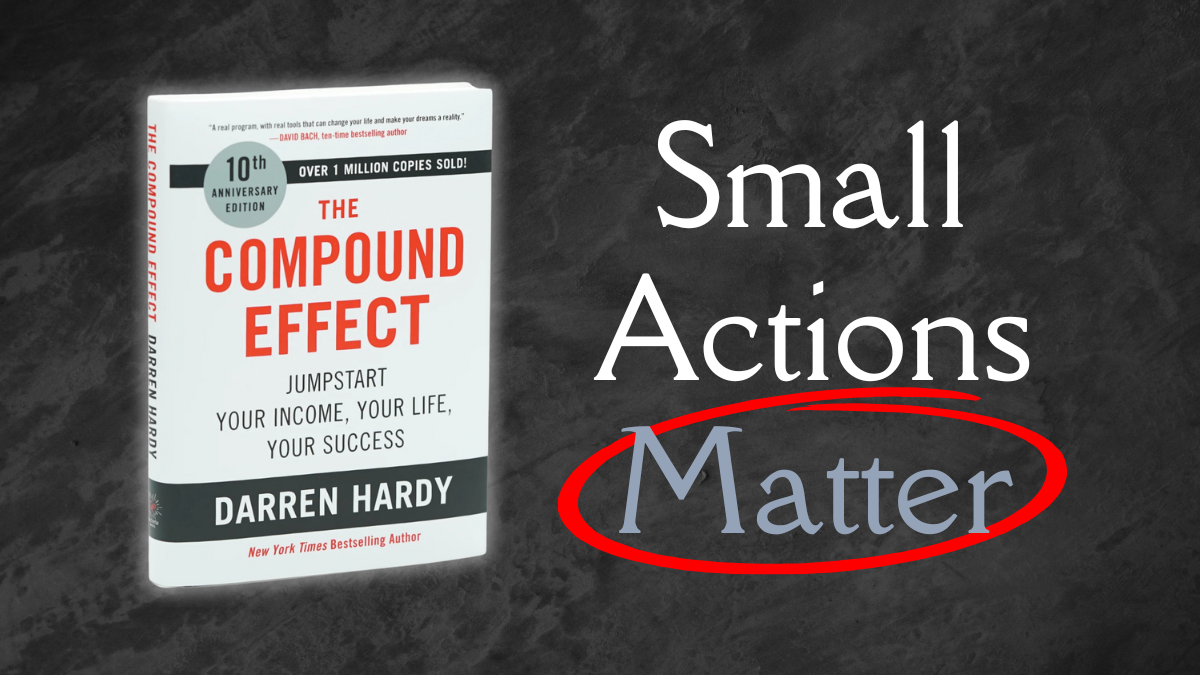
The Power of Small Choices: Lessons from The Compound Effect by Darren Hardy
Discover how small daily choices create massive results. Learn the principles from Darren Hardy's The Compound Effect and transform your life step by step.
Latest posts


Do You Enjoyed This Article?
Join our community and get updated every week. We have a lot more just for you! Let’s join us now.
Success rarely arrives in a dramatic, overnight breakthrough. More often, it shows up quietly, built from small choices repeated every day. This is the central idea behind The Compound Effect by Darren Hardy. The book is not about hacks, shortcuts, or motivation that fades after a week. It is about consistency, discipline, and understanding how tiny actions, when compounded over time, can completely change your life.
In a world obsessed with quick wins, The Compound Effect feels almost old-fashioned. That is exactly why it works. Hardy reminds us that progress is predictable when we commit to simple behaviors long enough for them to add up.
What Is the Compound Effect?
The compound effect means that small actions grow into big results when given enough time. This can work in a positive way or a negative way. Eating one unhealthy snack will not hurt you. Skipping one workout will not ruin your fitness. But repeating these choices every day will eventually create a problem.
In the same way, reading a few pages a day or saving a small amount of money may not feel important at first. But over months and years, these habits can lead to major improvement.
“It’s not the big things that add up in the end; it’s the hundreds, thousands, or millions of little things that separate the ordinary from the extraordinary.”
Darren Hardy
Hardy explains that people often fail because they ignore small habits. The results of these habits are delayed, so it feels like nothing is happening. By the time the damage or success becomes visible, the habit is already deeply rooted.
Taking Responsibility for Your Life
One of the strongest messages in The Compound Effect is personal responsibility. Hardy believes that many people stay stuck because they blame outside factors. They blame their job, their past, their family, or their luck.
Hardy challenges this way of thinking.
“You are where you are because of who you are and what you do.”
Zig Ziglar
This statement can feel uncomfortable, but it is also empowering. If your current situation is the result of past choices, then your future can change through better choices. Hardy makes it clear that taking ownership is the first step toward growth.
This does not mean being perfect. It means being aware and honest about your actions.
Small Habits Matter More Than Big Effort
Hardy places a strong focus on habits. He explains that success does not depend on talent or motivation alone. It depends on what you do every day, especially when no one is watching.
“Successful people do what unsuccessful people are not willing to do.”
Jim Rohn
This does not mean working nonstop or pushing yourself to exhaustion. It means choosing the right habits and sticking to them, even when they feel boring or easy to skip.
Small habits shape your identity over time. If you act like a disciplined person every day, even in small ways, you become one. The compound effect rewards consistency, not intensity.
The Importance of Tracking Your Actions
One of the most practical ideas in the book is tracking. Hardy explains that many people believe they are doing better than they actually are. Tracking brings clarity.
“Track every action that relates to the area of your life you want to improve. All winners are trackers.”
Darren Hardy
By writing down what you eat, how you spend money, or how you use your time, you become more aware of your behavior. This awareness often leads to better choices without forcing yourself.
Tracking is not about judgment. It is about understanding. When you know what you are doing, you gain control over it.
Why Progress Feels Slow at First
A common reason people quit is because they do not see results quickly. Hardy explains that this is a normal part of the process. Early progress is often invisible.
“Results don’t show up immediately, but that doesn’t mean they aren’t happening.”
Darren Hardy
The compound effect works quietly. Just like money in a savings account grows slowly at first, habits take time to show results. Many people give up right before the results start to appear.
This part of the book encourages patience. It reminds readers that consistency matters most when progress feels slow.
Consistency Beats Intensity
One of the most practical takeaways from The Compound Effect is that consistency matters more than intensity. Extreme effort followed by burnout does not create lasting change. Small actions done daily do.
Hardy emphasizes showing up even when you do not feel like it. Writing one page is better than waiting for inspiration to write ten. Exercising for ten minutes is better than skipping entirely.
He reminds readers:
“Success is doing the right things consistently, over time.”
Darren Hardy
This mindset removes pressure. You do not need perfect days. You need consistent ones.
Environment Matters More Than Willpower
Another key lesson from the book is the role of environment. Hardy argues that willpower is overrated. Your environment often determines your behavior more than your intentions.
If unhealthy food is always within reach, discipline becomes harder. If distractions surround you, focus becomes a struggle. Hardy encourages readers to design environments that support success rather than sabotage it.
This includes choosing who you spend time with. Hardy is very clear about the influence of social circles:
“You become like the people you spend the most time with.”
Darren Hardy
This is not about cutting people off harshly. It is about being intentional. Surrounding yourself with people who value growth naturally raises your standards.
Why The Compound Effect Still Works Today
Even though the book was written years ago, its message is still relevant. The ideas do not depend on trends or technology. They are based on human behavior.
The Compound Effect is especially helpful for people who feel overwhelmed by complex advice. It strips self-improvement down to simple truths. Do the right small things. Avoid repeated small mistakes. Give the process time.
The book does not promise fast success. It promises real success for those who stay consistent.
Final Thoughts
The Compound Effect is not flashy. It does not promise overnight success. Instead, it offers something far more valuable: a realistic roadmap to long-term achievement.
Darren Hardy reminds us that success is not a mystery. It is math. Small actions multiplied by time create big outcomes. The compound effect is always working. The only question is whether it is working for you or against you.
If you commit to making small, positive choices today and repeat them tomorrow, next week, and next year, the results will eventually surprise you. Not because they are magical, but because they are inevitable.
Share to

Mustafiz Man
GoHighLevel & Paid Ads Expert