

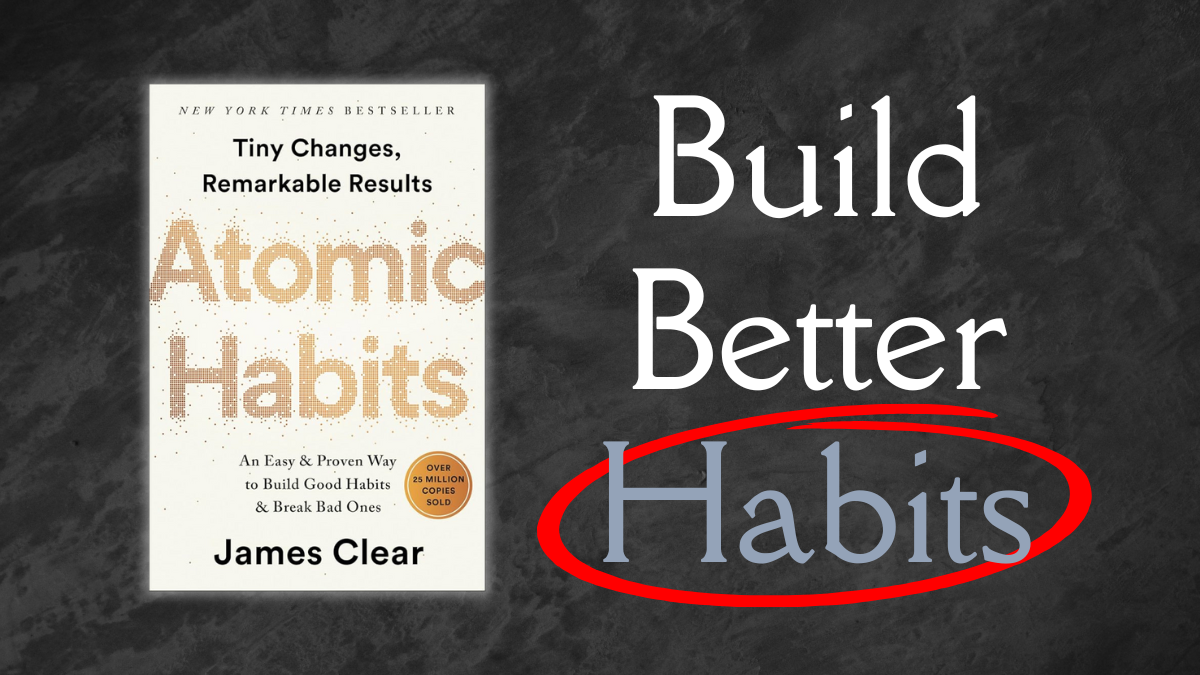
Atomic Habits by James Clear: A Practical Guide to Building Better Habits
Learn how Atomic Habits by James Clear breaks down habit building, identity shifts, and simple daily actions that lead to long-term success.
Latest posts



Do You Enjoyed This Article?
Join our community and get updated every week. We have a lot more just for you! Let’s join us now.
If you have ever set a meaningful goal and then slowly drifted away from it, Atomic Habits feels immediately relatable. Maybe you promised yourself you would exercise regularly, read more books, or finally build a consistent writing habit. You started strong, missed a day or two, and then gave up altogether. James Clear does not frame this as a personal failure. Instead, he offers a more compassionate and practical explanation. The issue is rarely motivation. The real problem is the system behind your habits.
This idea sits at the heart of Atomic Habits. The book does not glorify dramatic overnight change. Instead, it focuses on the quiet power of small actions repeated consistently. Clear defines atomic habits as tiny behaviors that seem insignificant in the moment but lead to remarkable outcomes when compounded over time.
“Habits are the compound interest of self-improvement.”
James Clear
This quote captures the core philosophy of the book. Just as money grows through consistent investment, habits shape our lives through daily repetition. What we do each day, no matter how small, eventually determines who we become.
Why Habits Feel So Hard to Maintain
One of the reasons Atomic Habits resonates with so many readers is its honesty. Clear acknowledges how frustrating habit-building can be. We often assume that success depends on willpower, discipline, or motivation. When we fall short, we blame ourselves.
Clear challenges this mindset by pointing out that most people focus on goals rather than systems. Goals are about results. Systems are about the process that leads to those results.
“You do not rise to the level of your goals. You fall to the level of your systems.”
James Clear
This perspective is both sobering and liberating. Goals can give direction, but systems determine progress. You can want to write a novel, but if you do not build a system that supports regular writing, the goal remains a wish. By shifting attention from outcomes to daily behavior, Clear reframes success as something manageable and repeatable.
Identity Comes Before Action
One of the most memorable insights from Atomic Habits is the idea of identity-based habits. Clear explains that long-term change does not begin with what you want to achieve, but with who you believe you are.
Instead of saying, “I want to run three times a week,” you begin with, “I am a runner.” Instead of “I want to write more,” you think, “I am a writer.”
“Every action you take is a vote for the type of person you wish to become.”
James Clear
This shift in perspective is subtle, yet powerful. Habits become evidence of identity rather than tasks on a to-do list. Each small action reinforces your self-image, making the behavior easier to repeat in the future. Over time, identity and habit begin to support each other.
The Four Laws of Behavior Change
While Atomic Habits is deeply reflective, it is also highly practical. Clear introduces a simple framework called the Four Laws of Behavior Change, which explains how habits are formed and how they can be reshaped.
- Make it obvious
- Make it attractive
- Make it easy
- Make it satisfying
These laws apply to building good habits. Reversing them helps break bad ones.
If you want to build a reading habit, place a book where you will see it every day. If you want to eat healthier, keep nutritious food visible and accessible. Clear emphasizes that environment plays a much larger role in behavior than we often realize.
“Environment is the invisible hand that shapes human behavior.”
James Clear
Rather than relying on self-control, the book encourages designing your surroundings so that good choices feel natural and bad choices feel inconvenient. This approach feels realistic and forgiving, especially for people who have struggled with consistency in the past.
Start Small and Stay Consistent
Another key theme in Atomic Habits is the importance of starting small. Clear introduces the “two-minute rule,” which suggests that any new habit should take less than two minutes to complete at the beginning.
If you want to read more, read one page.
If you want to exercise, put on your workout clothes.
If you want to write, open your laptop and write one sentence.
“Habits should be easy in the beginning.”
James Clear
This idea removes the pressure to perform at a high level right away. It reduces resistance and makes starting feel manageable. Once a habit becomes part of your routine, it naturally grows. The focus is not on intensity, but on consistency.
Understanding Slow and Invisible Progress
Many people abandon habits because they expect immediate results. Clear addresses this frustration by explaining the concept of the plateau of latent potential. Progress often happens beneath the surface before it becomes visible.
“All big things come from small beginnings. The seed of every habit is a single, tiny decision.”
James Clear
This section of the book is especially reassuring. It reminds readers that lack of visible progress does not mean failure. Improvement is often delayed, and patience is part of the process. Staying consistent through this phase is what eventually leads to breakthroughs.
Making Habits Enjoyable
Clear also highlights the role of enjoyment in habit formation. Habits that feel rewarding are far more likely to stick. This can be achieved by pairing a habit you need to do with something you enjoy, such as listening to music or a podcast while exercising.
“The most effective form of motivation is progress.”
James Clear
Tracking habits, celebrating small wins, and noticing improvement all contribute to a sense of satisfaction. Rather than using guilt or pressure, Atomic Habits encourages positive reinforcement and curiosity.
Why Atomic Habits Works
What sets Atomic Habits apart from many self-improvement books is its tone. It does not rely on hype or unrealistic promises. Clear writes with clarity, humility, and respect for the reader’s struggles. The book is grounded in research, but it never feels academic or detached.
Instead, it feels like guidance from someone who understands that change is difficult and often messy. The strategies are simple, but they are not simplistic. They acknowledge real-life constraints and human behavior.
Final Thoughts
Atomic Habits is not about reinventing your life overnight. It is about making small, intentional changes that gradually reshape your identity and direction. The book offers a hopeful message. You do not need to be extraordinary to see extraordinary results. You only need to be consistent.
“Success is the product of daily habits, not once-in-a-lifetime transformations.”
James Clear
For anyone who feels stuck, overwhelmed, or discouraged by past failures, Atomic Habits provides a practical and encouraging path forward. Change does not begin with grand resolutions. It begins with one small habit, repeated daily, and allowed to grow over time.
Share to

Mustafiz Man
GoHighLevel & Paid Ads Expert