

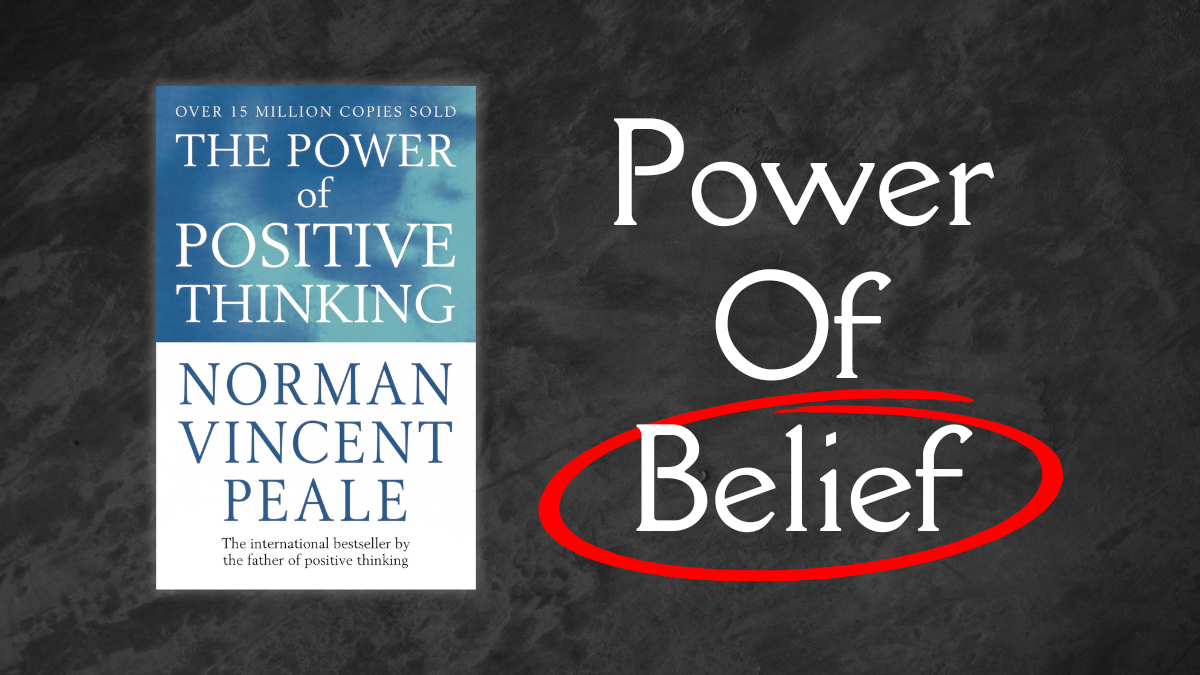
The Power of Positive Thinking: How Mindset Shapes Success
A thoughtful breakdown of The Power of Positive Thinking by Norman Vincent Peale and how mindset builds confidence and resilience.
Latest posts


Do You Enjoyed This Article?
Join our community and get updated every week. We have a lot more just for you! Let’s join us now.
Many people underestimate how much their thoughts influence their daily lives. We often focus on external circumstances and overlook the role our mindset plays in shaping confidence, resilience, and success. The Power of Positive Thinking explores this inner world and explains how optimism, belief, and faith can transform the way we experience life.
Norman Vincent Peale does not present positive thinking as blind optimism or wishful thinking. Instead, he frames it as a disciplined mental approach. The book emphasizes replacing negative thoughts with constructive ones and building confidence through faith and consistent practice.
“Change your thoughts and you change your world.”
Norman Vincent Peale
This simple idea forms the foundation of the book. According to Peale, lasting change begins internally before it appears externally.
Understanding Positive Thinking
Peale defines positive thinking as a mental attitude that expects good outcomes and looks for solutions rather than dwelling on problems. It does not mean denying difficulties or pretending challenges do not exist. Instead, it means approaching life with confidence that problems can be managed.
“Believe in yourself. Have faith in your abilities.”
Norman Vincent Peale
Peale explains that self-doubt often becomes a self-fulfilling cycle. When people expect failure, they act cautiously, hesitate, and miss opportunities. Positive thinking breaks this cycle by encouraging action rooted in belief.
This mindset shift influences how people handle stress, setbacks, and uncertainty.
The Role of Faith and Inner Confidence
Faith plays a central role in The Power of Positive Thinking. Peale believed that faith strengthens confidence and reduces fear. While the book often references spiritual faith, the broader message applies to trust in oneself and in life.
“Faith power works wonders.”
Norman Vincent Peale
Peale explains that fear and worry drain energy, while faith restores it. When people trust that they can handle challenges, they approach tasks with greater calm and clarity.
Confidence, according to Peale, is not something you are born with. It is something you build through belief, repetition, and action.
Replacing Negative Thoughts
One of the most practical lessons in the book is the importance of monitoring inner dialogue. Peale explains that many people unknowingly reinforce negative patterns through constant self-criticism.
“Stand up to your obstacles and do something about them.”
Norman Vincent Peale
Instead of allowing negative thoughts to dominate, Peale suggests actively replacing them with positive statements. This process requires awareness and repetition. Over time, positive thoughts become habitual and influence behavior naturally.
The goal is not perfection, but consistency. Each positive thought weakens the hold of fear and doubt.
The Power of Prayer and Visualization
Peale introduces prayer and visualization as tools for calming the mind and reinforcing positive belief. He believed that quiet reflection allows the mind to release tension and focus on constructive outcomes.
“Prayer is the practice of the presence of God.”
Norman Vincent Peale
Even for readers who interpret prayer as meditation or reflection, the principle remains useful. Stillness helps reduce anxiety and strengthens emotional balance.
Visualization is another technique Peale encourages. By mentally rehearsing success, individuals build confidence and prepare themselves for effective action.
Building Confidence Through Action
Positive thinking alone is not enough. Peale emphasizes that belief must be paired with action.
“Action is a great restorer and builder of confidence.”
Norman Vincent Peale
When people act despite fear, confidence grows naturally. Each small success reinforces belief and reduces hesitation. Avoidance, on the other hand, strengthens doubt.
Peale encourages readers to take small, manageable steps. Progress builds momentum and reinforces optimism.
Overcoming Fear and Worry
Fear and worry receive significant attention in the book. Peale explains that worry often comes from focusing on worst-case scenarios that may never happen.
“Empty your mind of worries, fears, and doubts.”
Norman Vincent Peale
He suggests shifting attention toward solutions and positive outcomes. This does not eliminate challenges, but it changes how they are experienced.
Peale also encourages trust in one’s ability to adapt. Confidence grows when people recognize that they have handled difficulties before and can do so again.
Attitude Shapes Outcomes
Throughout The Power of Positive Thinking, Peale reinforces the idea that attitude influences outcomes. Two people may face the same situation and experience very different results based on their mindset.
“Positive thinking releases confidence and energy.”
Norman Vincent Peale
A positive attitude affects communication, decision-making, and persistence. It makes people more approachable and resilient. Over time, this mindset influences relationships, career growth, and emotional well-being.
Peale reminds readers that attitude is a choice practiced daily.
Why The Book Still Matters Today
Despite being written decades ago, The Power of Positive Thinking remains relevant. Modern psychology supports many of its ideas, especially those related to self-talk, confidence, and emotional regulation.
The book’s language reflects its era, but its core message remains timeless. Thoughts influence emotions. Emotions influence actions. Actions shape results.
In a world filled with uncertainty and pressure, Peale’s emphasis on calm confidence and inner strength feels especially valuable.
Practical Lessons for Everyday Life
One of the reasons the book continues to resonate is its practicality. Peale offers simple techniques that can be applied immediately.
These include:
- Replacing negative thoughts with positive affirmations
- Taking quiet moments for reflection
- Visualizing successful outcomes
- Acting with confidence even when fear is present
None of these practices require special tools or conditions. They require intention and repetition.
Final Thoughts
The Power of Positive Thinking is not about ignoring reality or forcing happiness. It is about choosing belief over fear and confidence over doubt.
“A positive thinker does not refuse to recognize problems. He refuses to be defeated by them.”
Norman Vincent Peale
Norman Vincent Peale reminds readers that mindset is one of the most powerful tools we possess. When thoughts are guided by optimism and faith, life feels more manageable and meaningful.
For anyone seeking greater confidence, inner peace, and resilience, this book offers a simple but enduring message. Believe in yourself. Expect good things. And approach life with a mindset that supports growth rather than fear.
Share to

Mustafiz Man
GoHighLevel & Paid Ads Expert